Mill-It
The two-year Mill-it Project is funded by Defra and Innovate UK through the ADOPT Fund to explore the potential of proso millet as a sustainable UK-grown crop for human consumption. SoyaUk contributing their millet expertise and existing millet farmers from Edworth Manor Farm are doing additional field trials.
ONE PROJECT. THREE QUESTIONS
GROW | Can we grow millet successfully as a British break crop?
TEST | What can Niab tell us about millets nutritional potential?
EAT | Can chef Dev turn millet into a food we genuinely want to eat?
Why millet?
Millet has been eaten for thousands of years across most of the world, particularly Asia and Africa. It is naturally gluten-free and relatively high in protein. Proso millet can also be a more effective crop in hot, dry conditions than crops such as wheat, barley and oats. As UK summers become hotter and drier, this project becomes even more important.
Already grown in Britain, but it’s mostly for bird seed
For British farmers, there’s another attraction. Arable farmers have relatively few spring break crop options. Millet is already successfully grown in the UK on a small scale for bird seed. The Mill-it Project asks a simple question, could we grow it for people instead?
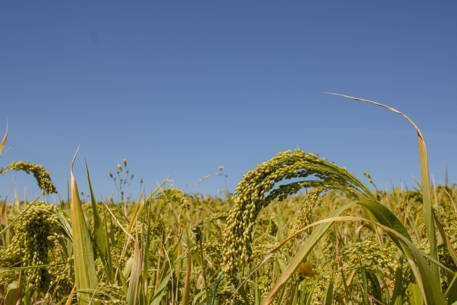
- Naturally gluten-free
- Protein rich
- Resilient & low-input break crop
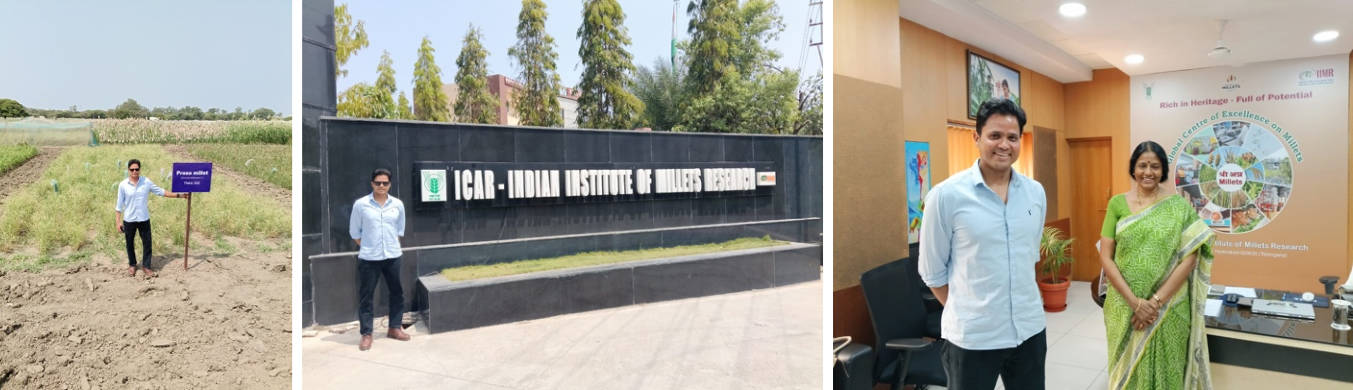
For chef Dev, the story began much further away, in Odisha, India
Millett News
Major New UK Research Project to Explore Proso Millet as a Sustainable Spring Break Crop More
Inspiration came from India
Millets have been part of Indian food culture for centuries. Dev grew up in Odisha, where these ancient grains have long been eaten, and during a culinary tour of India in 2025 he saw first-hand how millets were being brought back into everyday diets. Dev also discovered that the Indian Government is encouraging millet as it uses less water to grow than other staples such as rice. That resurgence inspired Dev to ask could millet have a new future in the UK too?
Dev took his idea to Emma, who was already supplying The Cook’s Tale with heritage wheat flour grown and milled at Nonington Farms. From that conversation, the idea for Mill-it began.
From a seed in May to harvest in September
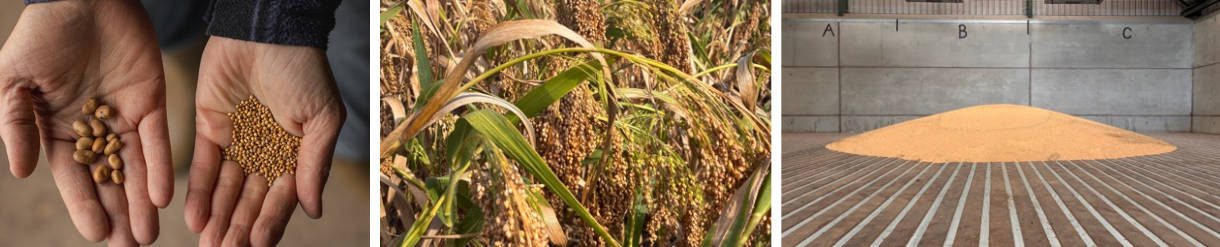
From a tiny seed drilled in May to a harvested crop just four months later.
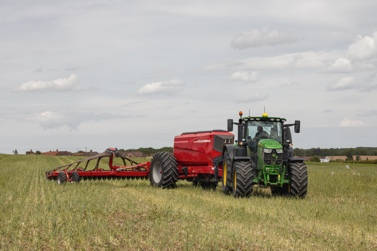
May 2026: Drilling
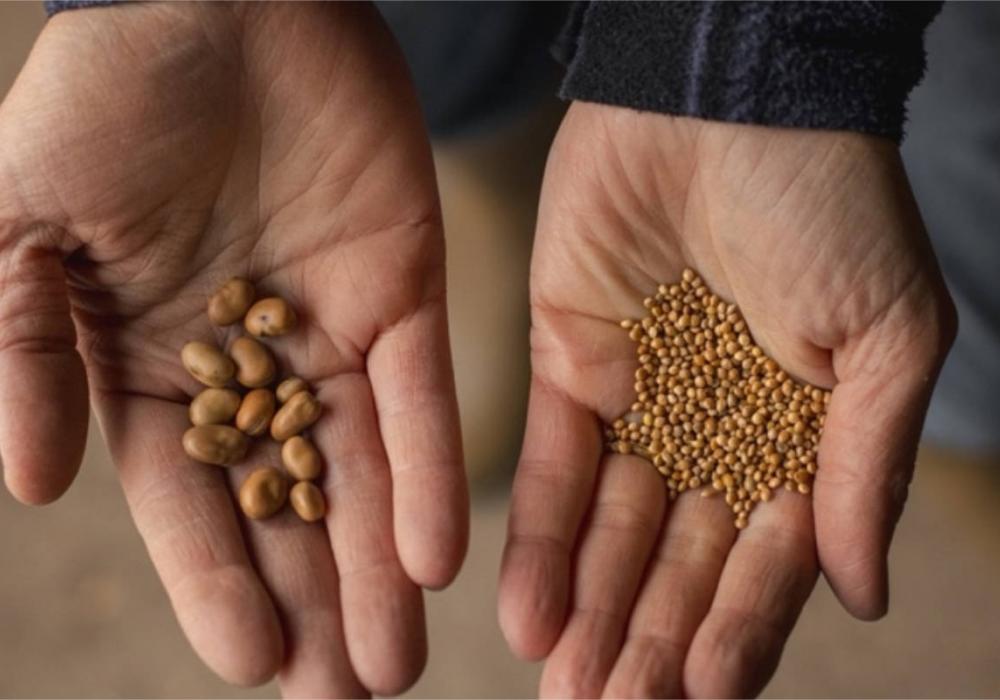
15 May | Emma drilled 5.6 hectares of proso millet at Nonnington Farms, inter cropping it with spring beans. The timing couldn’t have been better as it rained the following day. Then came an exceptionally dry summer, giving the project an unexpected opportunity to see how the crop could cope with drought.
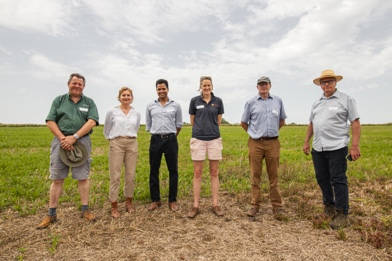
June 2026: The Mill-it Project launch
23 June | Farmers, scientists and food specialists including chef Dev came together at Nonington Farms to officially launch The Mill-it Project. Naturally Dev brought food. Around 40 guests had their first taste of the project with his millet shortbread, before heading to the field to see the young crop.
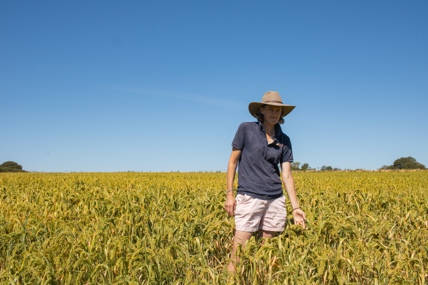
June – August 2026: Growing
As Kent became increasingly dry, the millet kept growing. By mid-August it was described as a green oasis in the surrounding parched landscape, an encouraging real-world demonstration of why drought tolerant crops are attracting attention.
September 2026: Harvest
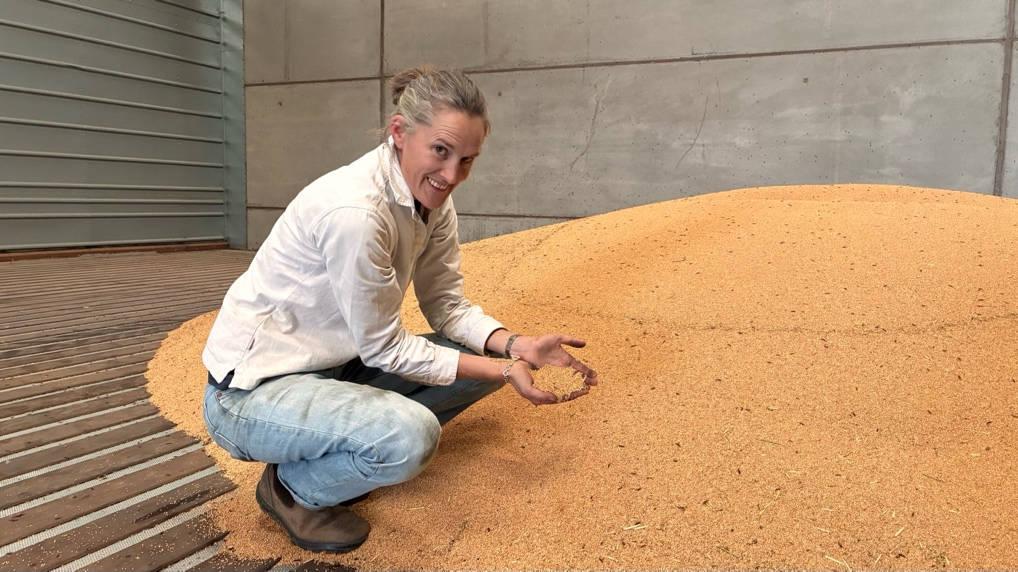
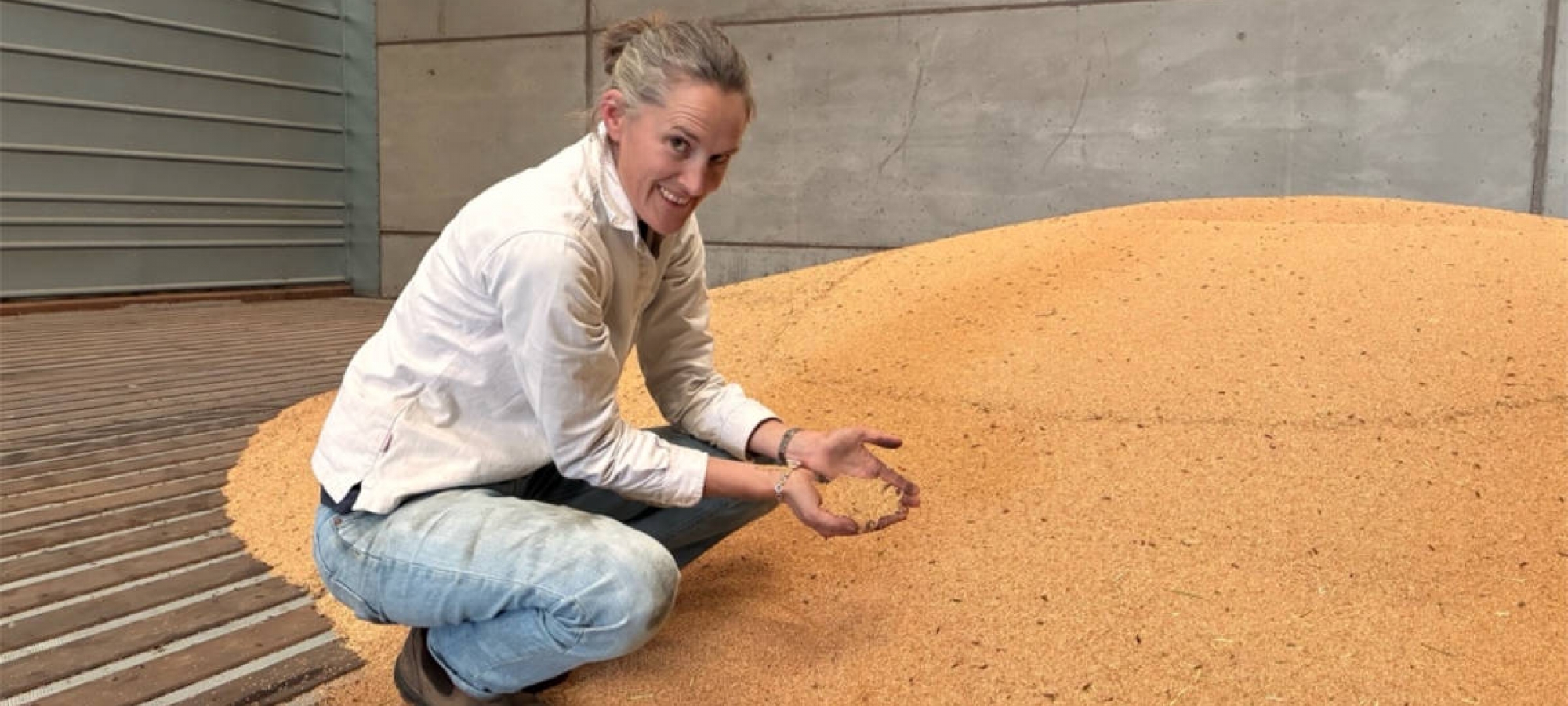
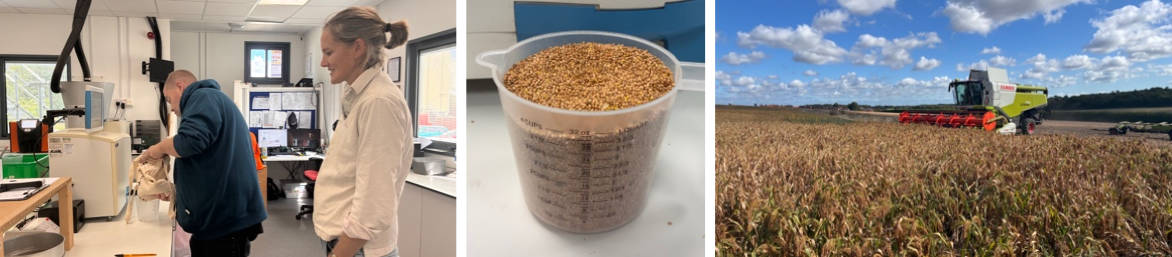
16 September | Before making the call to harvest, Emma checked the moisture content of the grain at independent crop analysis firm, Barham Lab Services. Then came the moment the team had been waiting for, the first crop was combined and brought into the grain store.
September 2026